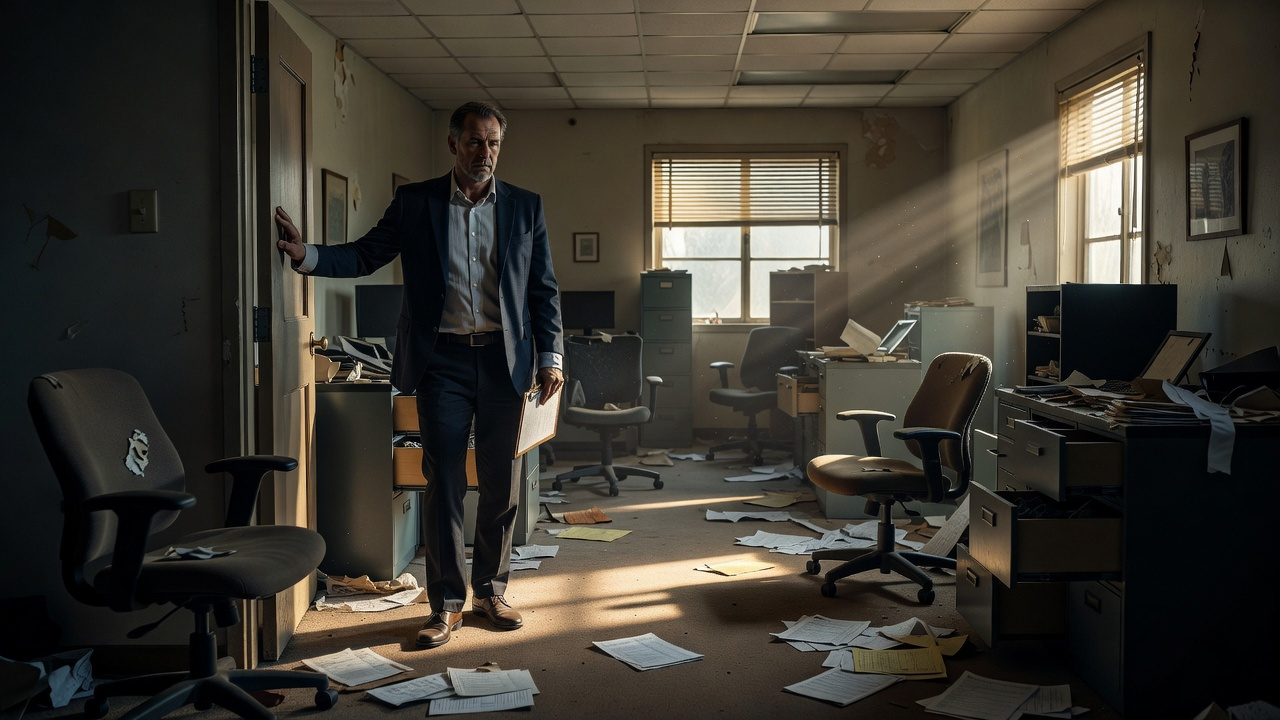
Right, so someone’s died, or someone’s moving into a care home, or you’ve just inherited a three-bedroom semi full of forty years of accumulated stuff, and you’re stood in the hallway wondering where on earth to even begin. Here’s the direct answer: house clearance works through a sequence that runs from enquiry, to a quote, to an on-site assessment, then the actual clearance and sorting, followed by recycling or disposal, and finally a completion stage where you get your paperwork and your empty property back. That’s the skeleton. But the flesh on those bones, the bit nobody tells you until you’re already knee-deep in a loft full of Christmas decorations from 1997, is what actually happens at each stage and why the order matters.
I’ve spoken to enough people who’ve been burned by vague online quotes to know this isn’t just procedural box-ticking. It’s the difference between a clean, dignified process and a stressful mess involving hidden charges and a skip full of your grandmother’s photographs. Let’s walk through it properly.
What Does House Clearance Involve From Start To Finish?
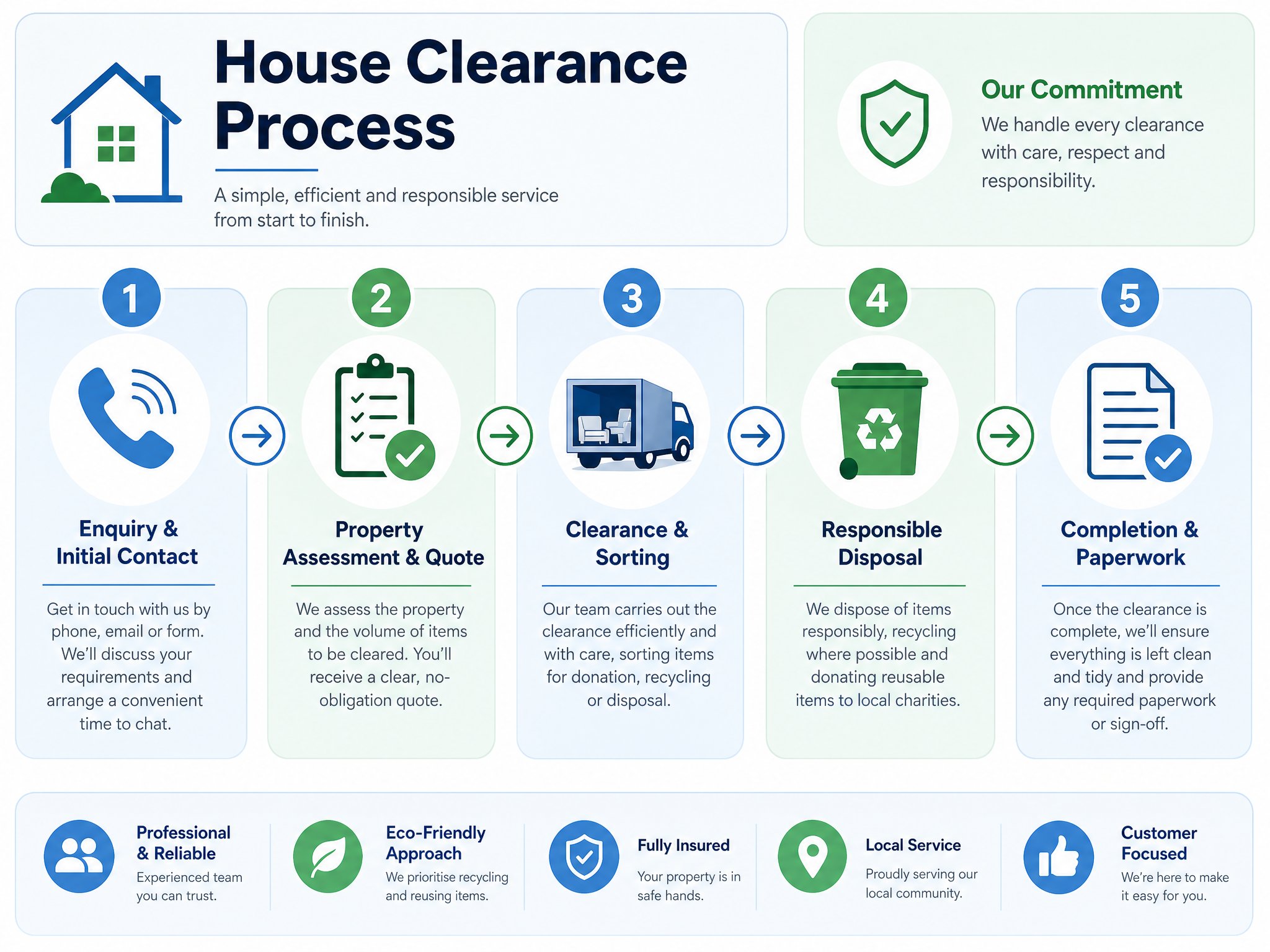
A full house clearance covers the removal of furniture, appliances, personal effects, and general household contents from a property, whether that’s a single room, a whole house, or an estate following a bereavement. It’s not the same as a simple junk removal job, where someone just turns up and chucks whatever’s near the door into a van. Proper clearance involves assessment, sorting, and responsible disposal, and usually a fair bit of judgment calls about what’s rubbish and what’s actually worth something.
Enquiry And Initial Contact
Most jobs start with a phone call or a contact form on a company’s website, where you describe the property, roughly how much stuff there is, and what’s prompting the clearance. Bereavement, probate, tenancy end, downsizing, hoarding situations, they’re all common triggers, and a decent operator will ask different questions depending on which one applies. This stage is also where you find out whether the company is even worth pursuing, frankly, because if they can’t give you a straight answer about how pricing works, that tells you something.
Property Assessment And Quote
Next comes the quote, and this is where things get interesting (more on that below, because it deserves its own section). An assessor either visits in person or asks for photographs and a room-by-room description to estimate volume, access difficulties, and whether there’s anything unusual like a garage full of tools or a shed stacked with garden furniture.
Clearance, Sorting And Completion
Once you’ve agreed a price, a clearance team turns up with a vehicle sized for the job, and they work through the property systematically, usually room by room, separating items for resale, donation, recycling, or disposal as they go. The step-by-step breakdown of what happens during clearance is worth reading if you want the granular detail on what crews actually remove and what they tend to leave behind.
Why Does An On-Site Assessment Matter More Than A Digital Quote?

Because a photo doesn’t tell you what’s behind the sofa, or how heavy that oak wardrobe actually is, or whether the loft hatch is the size of a postage stamp. Digital quotes are convenient, sure, but convenience and accuracy aren’t the same thing.
Risk Of Hidden Fees Online
According to Clearway Recycling’s cost guide, volume is one of the biggest variables in pricing, and volume is exactly what’s hardest to judge from a handful of photos. I’d personally never trust a cheap digital quote for this reason. It’s how you end up with the price getting bumped once the crew actually claps eyes on the real state of things, a domestic skip’s worth of contents suddenly ballooning into two van loads because nobody accounted for the garage.
How Assessors Spot Overlooked Valuables
A good assessor isn’t just measuring cubic footage, though. They’re trained to notice things you might walk straight past, jewellery tucked in a cupboard drawer, antiques that look like junk to an untrained eye, or boxes of photographs shoved under a bed. Third-party feedback on providers like House Clearance Collective consistently praises assessors who flag these items before removal even starts, giving families the chance to pull them aside.
What A Fair Itemized Quote Includes
A proper quotation should break down labour, disposal charges, and any additional fees for hazardous waste or difficult access separately, rather than bundling everything into one vague figure. If a company won’t itemise, walk away. That opacity is exactly what fuels most of the complaints you’ll find scattered across consumer forums.
How Much Does House Clearance Cost?
There’s no single figure that applies everywhere, and anyone quoting you a flat national price without seeing the property is guessing. That said, pricing tends to follow a fairly predictable set of factors.
Key Pricing Factors
Volume of contents: more rooms, more furniture, more weight, higher cost.
Access: flats with no lift, narrow staircases, or properties without nearby parking all increase labour time.
Hazardous materials: asbestos, old paint tins, or gas canisters require specialist handling and add to the bill.
Disposal route: items destined for landfill typically cost more to process than those going to recycling or charity.
Location: house clearance in London generally runs higher than in smaller towns, purely because of labour and disposal costs in the capital.
Typical Cost Ranges By Property Size
Property Size | Typical Cost Range (GBP) |
|---|---|
Single room / flat | £150 – £400 |
Two-bedroom house | £400 – £800 |
Three to four-bedroom house | £800 – £1,500 |
Large house with garage/garden/shed | £1,500 – £3,000+ |
These figures shift depending on region and how much heavy lifting is involved, but they give a rough anchor point for budgeting.
How To Avoid Price Surprises On The Day
Insist on the on-site assessment, get the quotation in writing, and ask directly whether the price is fixed or subject to change once loading begins. Any reputable house clearance company should have no issue confirming this upfront.
How Are Items Sorted During A House Clearance?

This is the bit people underestimate most, and honestly, it’s the bit that matters most. A fast crew that clears a house in three hours is useless if they’ve swept sentimental items into the same pile as broken furniture.
Hand-Sorting Versus Bulk Removal
Larger, established clearance companies tend to hand-sort rather than bulk-load everything indiscriminately, and reviewers on platforms like Trustpilot consistently rate this higher, particularly during emotionally difficult jobs like bereavement clearances. Bulk removal is quicker, but it treats every item the same, which is precisely the problem.
Protecting Sentimental And High-Value Items
Photographs, jewellery, letters, medals, anything with sentimental or resale value should be checked before it leaves the property, not after. I’d insist on this personally, and I think it’s a completely reasonable thing to ask of any crew. If something looks borderline, it should be set aside for the family to review rather than binned on a judgement call made by a stranger.
What Happens To Items You Want To Keep
Anything you’re retaining gets separated early, usually boxed and labelled, and left in a designated area or room while the rest of the clearance continues around it. This avoids the awkward scenario of chasing a removal van down the street because someone’s favourite armchair ended up loaded by mistake.
How Is Waste Disposed Of Legally And Responsible?
Clearance doesn’t end when the house is empty. Where everything goes afterwards matters just as much, both legally and environmentally.
Licensed Waste Carriers And Why They Matter
Under UK law, anyone removing household waste on a commercial basis must hold a valid waste carrier licence issued by the Environment Agency. This isn’t optional paperwork, it’s the legal backbone of the whole industry, and it’s worth checking before you book anyone.
Avoiding Fly-Tipping Risks
Fly-tipping is a genuine and recurring worry among UK homeowners, and it comes up repeatedly on forums like the AskUK thread on house clearance experiences, where people describe the anxiety of not knowing where their old sofa or mattress actually ended up. Paying more for a licensed carrier isn’t a luxury, it’s insurance against your name being linked to illegally dumped waste.
Recycling, Donation And Landfill Diversion
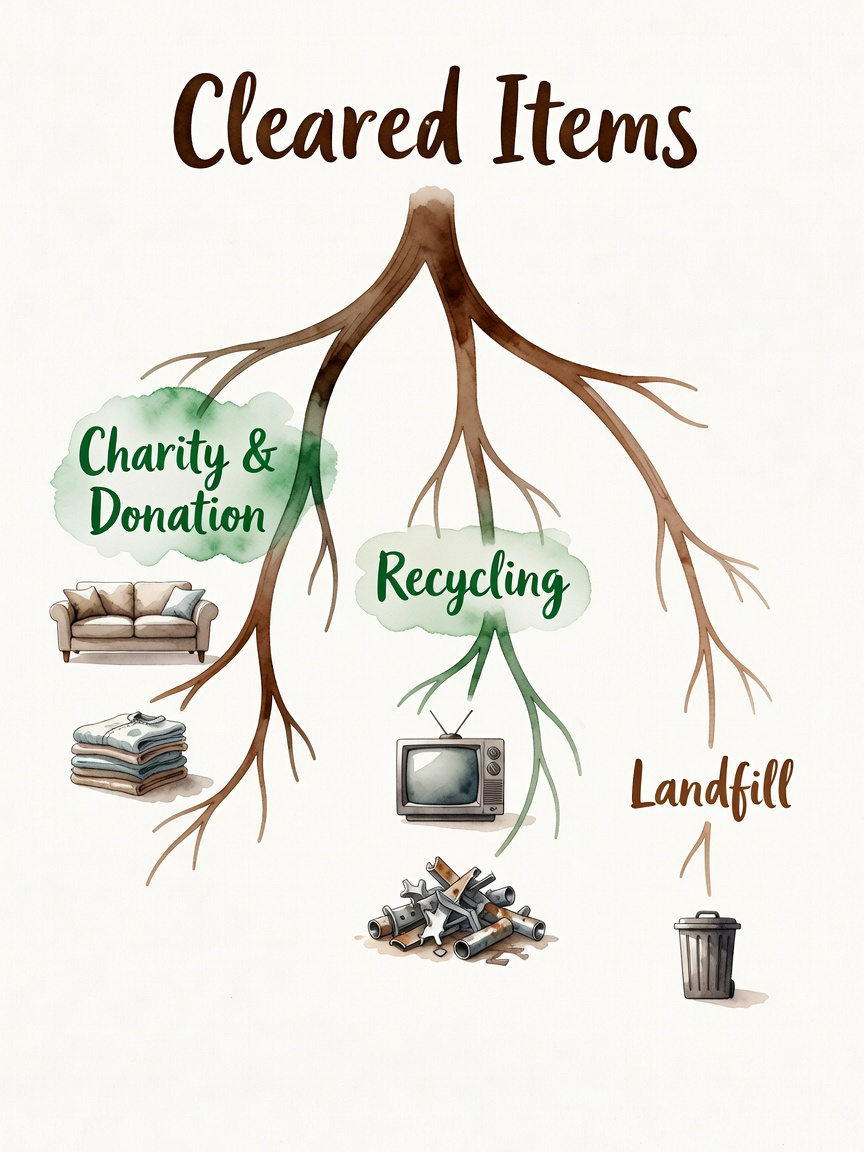
Reusable furniture often goes to charity shops or resale outlets, metal and electronics get sent for recycling, and only genuinely unusable rubbish should end up in landfill. Reviews compiled by Vibe Reports on licensed contractors suggest customers increasingly expect this breakdown explained clearly, rather than a vague assurance that “it’s all sorted.”
What Happens At Completion And What Proof Should You Get?
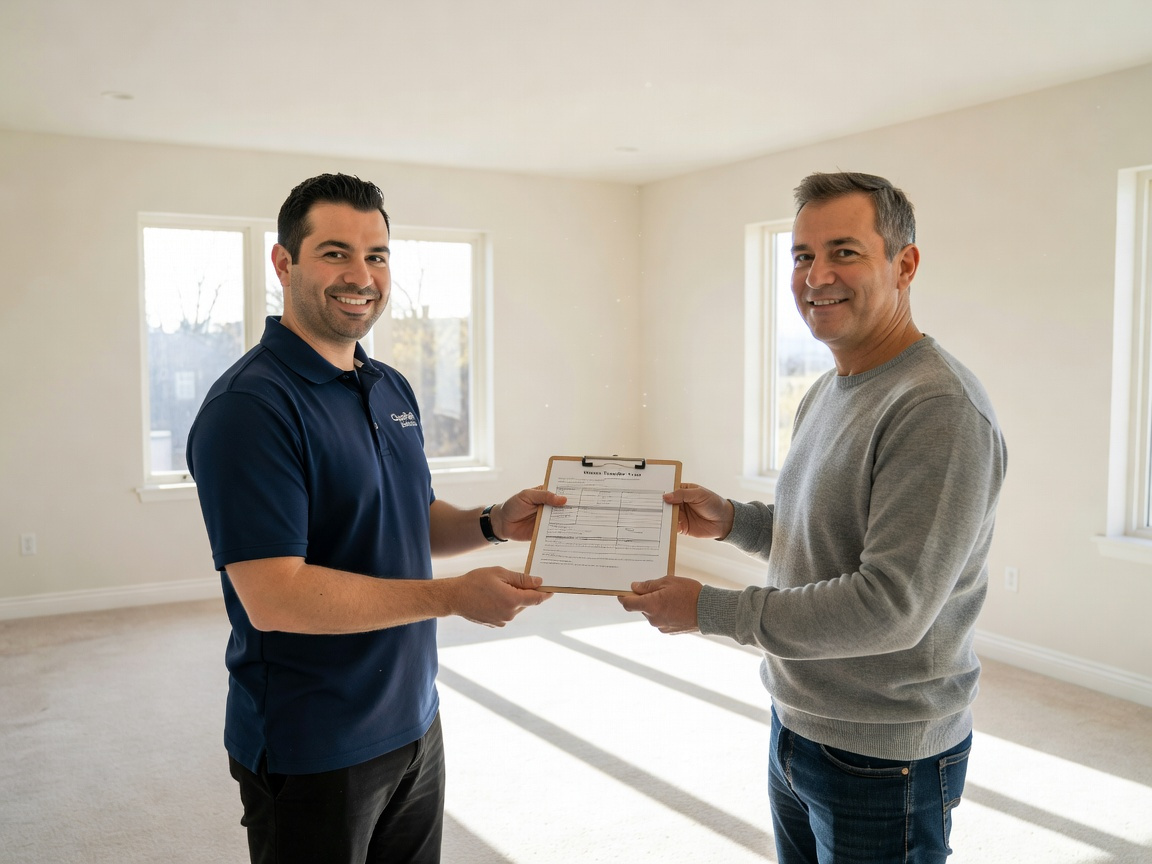
Completion isn’t just the crew driving off. There’s documentation and a physical standard you should expect before signing anything off.
Waste Transfer Notes Explained
A Waste Transfer Note is the legal document confirming who removed your waste, where it’s licensed to go, and what category of waste was involved. Ask for one every time. Without it, you’ve got no proof the job was done legally, and that’s a problem if anything ever gets traced back.
Final Walkthrough And Broom-Swept Standard
The most reputable operators finish with a walkthrough of every room, leaving the property broom-swept or vacuumed, essentially market-ready. Reviews from providers like Abacus House Clearance frequently highlight this as the detail that separates a professional job from a rushed one.
Confirming The Job Is Fully Finished
My own test for “done” is simple: a final walkthrough, a broom-swept property, and paperwork in hand. Anything less than that is just paying someone to move your problem somewhere else.
How Long Does A House Clearance Take?
A single flat can be cleared in half a day. A full three or four-bedroom house with a garage, shed, and loft typically takes a full day, sometimes two if there’s a lot of sorting involved or access is tricky. Bereavement clearances with large volumes of sentimental items naturally take longer, simply because of the care involved in checking through contents properly.
What Questions Should You Ask A House Clearance Company Before Booking?
Ask whether they offer an on-site assessment rather than relying purely on photographs. Ask to see their waste carrier licence. Ask how they handle items of resale value, whether they split proceeds or simply absorb them into the fee. Ask what happens to hazardous waste like old paint or asbestos-containing materials if found. And ask for a written, itemised quotation before anything gets loaded.
FAQ
Does house clearance include cleaning? Not usually. Clearance removes contents; cleaning is often a separate add-on service some companies offer at extra cost.
Can I stay in the property during clearance? Yes, most companies work around you, though full estate clearances are often easier when the property is empty.
What items won’t clearance companies take? Certain hazardous materials, like asbestos or gas canisters, may need specialist removal rather than standard clearance.
Conclusion
House clearance, done properly, is a sequence built on trust at every handover point, from that first enquiry call through to the moment someone hands you a Waste Transfer Note and locks the door behind them. Skip the on-site assessment and you’re gambling on price. Skip the hand-sorting and you’re gambling on memories. Skip the licensed disposal and you’re gambling on the law. None of those are gambles worth taking when the alternative, a bit of research and a few direct questions, costs you nothing at all.