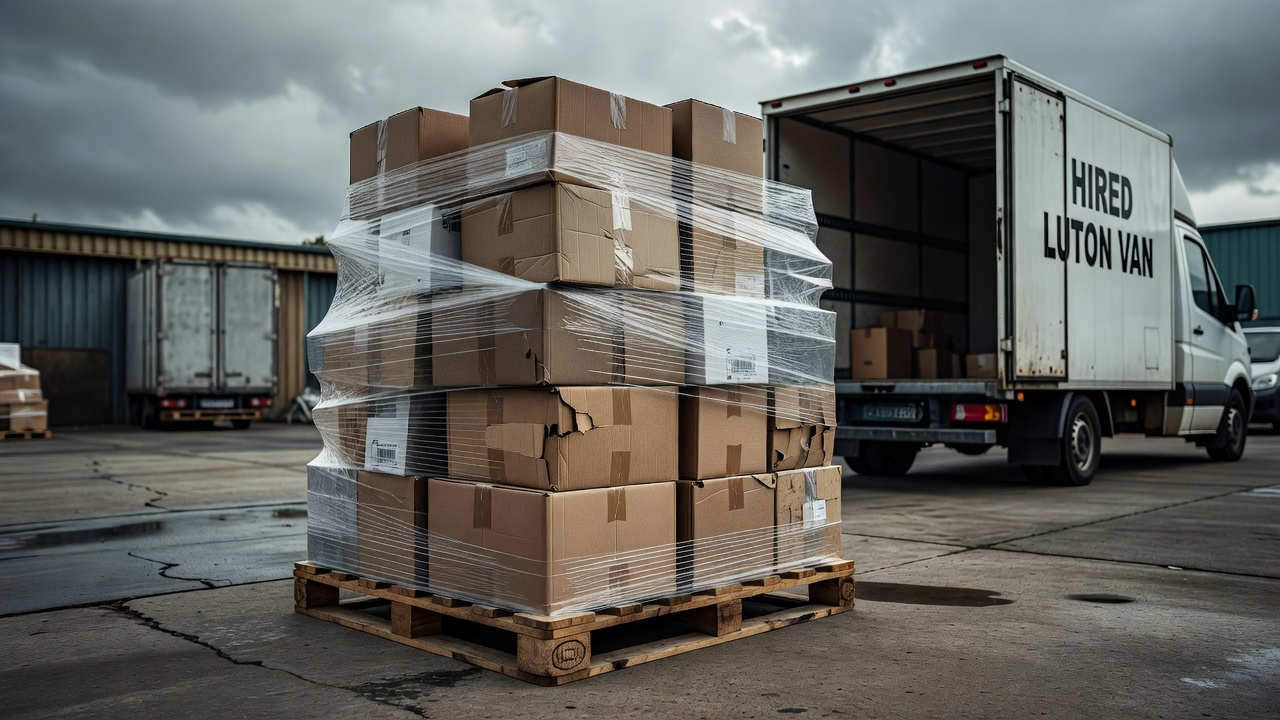
Right, so you’ve seen the adverts. Pallet of “Amazon customer returns, RRP £4,000, yours for £280.” Looks like free money sitting on a forklift somewhere in a Midlands industrial estate, waiting for you to collect it in a hired Luton van. And that’s exactly the problem. Warehouse clearance pallets can genuinely make you money, but the maths only works if you go in understanding what you’re actually buying, not what the seller’s photo promises you.
A warehouse clearance pallet is simply a bulk lot of goods, or sometimes equipment and shelving, offloaded by a retailer, distributor or liquidator because it no longer makes sense for them to hold it. That’s the whole concept. No mystery, no magic. The stock might be customer returns, it might be shelf pulls that never sold through a season, or it might be genuine warehouse clearance where an entire unit is shutting down and everything from the racking to the pallet trucks needs a new home. Understanding which category you’re dealing with changes everything about the risk you’re taking on.
What Are Warehouse Clearance Pallets?
Customer Returns
Returns stock is the one everyone’s heard of because it’s the one YouTube unboxers love. Someone ordered a robot vacuum, didn’t like it, sent it back, and now it sits in a reverse logistics warehouse until it gets bundled onto a pallet with forty other returned items and auctioned off in bulk. The trouble is nobody’s tested most of it properly. Practitioner data on returns categories suggests a chunk, sometimes as much as a fifth to nearly the whole lot in complex electronics, arrives broken, incomplete or simply filthy. That’s not a scare tactic. That’s just what happens when goods get handled by strangers and shoved back into a box with no quality check.
Overstock and Shelf Pulls
This is the calmer end of the market. Overstock pallets are unsold new stock, usually seasonal apparel or discontinued lines, that a retailer needs off the books before the next financial quarter. Shelf pulls are similar but come straight off the shop floor rather than a warehouse. Both tend to be in far better condition than returns stock, largely because nobody’s actually used the items. If you’re new to this game and nervous about losses, this category is generally the gentler entry point.
Mixed Manifest Lots
Then you’ve got mixed lots, sometimes called mystery pallets, where the contents span several categories and several conditions. Some are labelled with a manifest listing every SKU. Others aren’t labelled at all, and that’s where the gamble properly starts.
What’s Actually Inside a Clearance Pallet?
Common Stock Categories
Electronics, homeware, tools, toys, clothing, office supplies, even food and equipment needed for outdoor pursuits, camping gear turns up more than you’d expect. Categories vary hugely by supplier and by which retailer the liquidator has a contract with.
Equipment and Shelving Lots
Not every clearance pallet is stock at all. Warehouse clearance often includes the fixtures too, heavy duty shelving units, steel racking, 5 tier storage units, bookcase-style office shelving, even wooden pallet racking pulled from a closing distribution centre. If you’re kitting out a garage or a small storeroom, these shelving systems can be a genuinely sound buy, because commercial-grade racking rarely shows up cheap on the general market otherwise.
Manifested vs Unmanifested Pallets
A manifested pallet lists every item, quantity and condition rating before you bid. An unmanifested one gives you a photo and a prayer. Prices reflect that gap, and so should your expectations.
How Much Do Warehouse Clearance Pallets Cost in the UK?
| Pallet Type | Typical UK Price Range | Condition Risk |
|---|---|---|
| Returns – electronics | £150–£450 | High |
| Returns – general merchandise | £80–£250 | Medium-High |
| Overstock/shelf pulls | £120–£350 | Low-Medium |
| Shelving/equipment lots | £60–£300 | Low |
Typical Price Ranges by Category
Prices swing depending on category, supplier reputation and whether you’re buying via a proper auction platform, which tends to hold data on recovery rates across tens of thousands of tracked liquidation auctions, or a random Facebook seller who’s clearly just repackaging someone else’s job lot.
Freight and Delivery Charges
Freight isn’t an afterthought, it’s often the second biggest line on your invoice. Expect anywhere from £60 to £150 per pallet depending on distance and whether the courier needs a tail lift because you haven’t got proper loading access. This is where vehicle access and planning actually matters practically. A pallet dropped kerbside outside a terraced house in Manchester with no driveway is a genuinely different logistical headache than one delivered to a unit with a loading bay.
Hidden Fees That Erode Margins
Buyer’s premiums, platform listing fees, VAT, storage charges if you can’t collect promptly. None of these show up in the headline price, and all of them chip away at whatever margin you thought you were getting.
Are Warehouse Clearance Pallets Worth the Money?
Realistic Profit Margins
Here’s my honest take, and I say this having watched enough of these unboxings to lose faith in humanity’s arithmetic skills: the big MSRP figure printed on the listing is bait. It’s the sum of retail prices for goods that haven’t been tested, haven’t been cleaned, and haven’t accounted for freight, fees or your own labour cost. Once you strip all that out, a realistic margin sits far below what the marketing suggests, and some pallets lose money outright.
How Much Stock Arrives Broken or Unsellable
Assume before you spend a penny that a meaningful slice of any returns pallet is dead weight. Depending on category, industry write-ups put breakage and unsellable rates between roughly 20% and 90% for complex electronics specifically. That’s not a rare bad batch. That’s baseline expectation.
Why Some Items Sit Unsold for Months
Slow-moving apparel sizes, unfashionable colourways, outdated tech specs. This stuff can sit in your storage for three to six months before it sells, tying up cash and floor space the entire time. If you don’t have spare storage units sitting empty and waiting, this side hustle gets expensive fast.
How Do You Spot a Legitimate UK Supplier?
Signs of a Genuine Liquidation Auction
Real liquidation platforms publish manifests, show condition grading, and have a traceable company history. Reverse logistics data from established B2B marketplaces gives a sense of how genuine sourcing and export compliance actually operates at scale, which is worth comparing against whatever seller you’re eyeing up.
Red Flags of Scam Sellers
- Sponsored social media ads promising fixed “guaranteed” contents
- No company registration details or physical trading address
- Payment only accepted via bank transfer, no buyer protection
- Photos that look suspiciously like stock imagery rather than the actual lot
- Pressure to buy immediately with countdown timers
Why “Unsorted Mystery Lots” Deserve Scrutiny
Genuinely, be sceptical of anything sold as an “unsorted mystery lot.” A well-documented pattern in this market involves intermediate resellers buying premium pallets, cherry-picking the phones and tablets, then rewrapping what’s left to sell to the public as untouched stock. You’re not buying a mystery. You’re often buying someone else’s leftovers.
What Should You Check Before Buying a Pallet?
Vehicle Access and Delivery Logistics
Check road width, whether a full wagon can turn onto your street, and whether you’ve got somewhere flat and dry to unload onto. This sounds basic. It gets overlooked constantly.
Storage Space and Waste Volumes
Work out where the pallet actually goes once it lands, and how much cardboard, paper waste and general packaging you’ll be left with. Businesses handling this volume of waste have obligations under updated workplace recycling rules for England, so factor recycling and disposal into your running costs rather than treating it as a footnote.
Calculating Total Landed Cost
Purchase price, freight, buyer’s premium, VAT, your own time. Add it all up before you bid, not after.
Who Does This Side Hustle Actually Suit?
Honestly? People with spare storage, patience, and a tolerance for sorting through broken microwaves at 11pm. If you’ve got a garage, a shed, or a spare unit sitting empty, and you enjoy the process of testing and photographing items one by one, it can work as a genuine sideline. If you’re expecting fast, effortless profit, this isn’t it.
What Mistakes Do Beginners Commonly Make?
- Buying unmanifested lots on impulse without checking landed cost first
- Ignoring freight and buyer’s premium when calculating profit
- Assuming all stock is sellable rather than budgeting for breakage
- Buying from unverified social media sellers instead of established auctions
Follow-Up Questions Buyers Often Ask
Is buying a warehouse clearance pallet legal in the UK? Yes, entirely, provided the seller has legitimate title to the goods through proper liquidation or wholesale channels.
Do I need a business account to buy pallets? Most legitimate auction platforms require a registered company or sole trader account, partly to filter out casual scammers.
Conclusion
I’d only buy through a proper, traceable auction, work out the total landed cost before I touch my card, and start small rather than betting the month’s budget on a single mystery lot. Warehouse clearance pallets aren’t a scam by default, but they’re not a shortcut either. Treat it like stock sourcing, not gambling, and it can genuinely pay off. And if it’s shelving or equipment you’re after rather than stock, that’s often the safer, calmer corner of this whole market, similar in spirit to sorting through a garage or shed clearance where the value is in the fixtures, not the gamble.